Complete Ear Care For Your Pet.
Examine Your Pet’s Ears
Our veterinarian looks inside the ears using either a regular or video otoscope. Visual inspection will reveal if there is inflammation, swelling, infection, ear mites, redness, rash, polyps, excessive hairs, or foreign object. Odors coming from the ear also gives the doctor additional information.
Clean Your Pet’s Ears
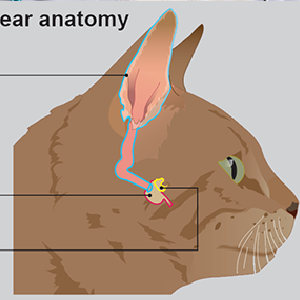
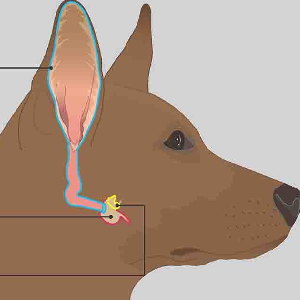
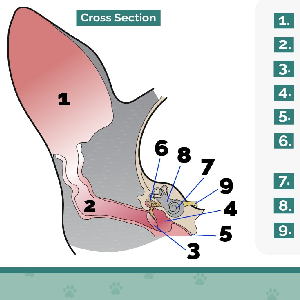
We remove all the built-up gunk and dirt that clogs your pet’s ears. Your pet’s ear canal is L-shaped and we use ear cleaner solution and massage the flow of fluid throughout the canal, which loosens dirt and stick material that can then be squeezed out of the ear. Finally we wipe away the remaining debris from the visible areas.
Treat Ear Infection
Our veterinarian may recommend an Ear Cytology which is a sample swab of the ear taken by the veterinarian to use on a microscope slide, or sent to a pathologist, to check for pathogens such as bacteria or fungi such as yeast. Based on the type and quantity of pathogen observed, a treatment such as medicinal eardrops or ear packing may be recommended by the doctor.
Recurring Ear Infections
A Deep Ear Flush may be done in which the pet is sedated so the doctor can more thoroughly flush the ears, remove excess hairs (hair plucking), and look for deeper polyps (small growths) that might be causing recurring infection. If present, polyps can be surgically removed from the ear. Underlying issues such as skin allergies, floppy ears that trap moisture, or water activity or sport may also contribute to recurring infections.
Ear Hematoma
If your pet has an ear infection or other bothersome ear issue, he/she may shake their head incessantly, which can cause their ear flaps to pool blood and develop a hematoma. A hematoma is a fluid (mostly blood) filled pocket, which often refills when drained and is difficult to fix without implanting a cannula drainage port and suturing around the area.
Chronic and Frequent Ear Infections
For chronic cases where recurring ear infections resist all other treatments, our veterinarians may recommend a Total Ear Canal Ablation (TECA). This surgical procedure removes the ear canal entirely in order to permanently eliminate pain and the need for frequent clinic visits. Additionally, surgery prevents the development of antibiotic-resistant pathogens, which can severely limit future treatment options. The TECA specialty surgery has a safe and successful track record and is performed by a board certified animal surgeon.