END-TO-END JOINT CARE FOR PETS
A Guide to Joint Care and How to Keep Your Pets in Motion
Watching a pet bound through the grass or leap onto a favorite perch is one of the simple joys of animal companionship. However, as pets age—or due to genetic predispositions—mobility can become a challenge. Joint health is not just about "old age"; it is a lifelong commitment to preserving the cartilage, ligaments, and fluid that keep our companions moving pain-free.
This guide explores a three-pillar approach to joint care: Prevention, Maintenance, and Management.
1. The Foundation: Prevention and Early Awareness
The best time to care for a pet’s joints is before they show signs of stiffness. For many breeds, joint issues are structural and begin in puppyhood or kittenhood.
The Controllable Factor: Weight Management
Excess weight is the single greatest enemy of joint health, but aging, genetics, and/or physical injury can precipitate the onset of joint disease.
- Mechanical Stress: Extra pounds put direct physical pressure on the joints, accelerating the wear and tear of cartilage.
- Systemic Inflammation: Fat tissue isn't dormant; it secretes pro-inflammatory cytokines that can worsen joint pain.
- Joint diseases such as Osteoarthritis and Joint Dysplasia can develop as a result of aging, genetics (primarily congenital diseases), and obesity.
Knowing the signs
Pets are masters at hiding chronic pain. You likely won't hear them cry out; instead, look for subtle behavioral shifts:
- Hesitation: Pausing before jumping into the car or onto the bed.
- Stiffness: A "stilt-like" gait when first waking up.
- Behavioral Changes: Irritability, sleeping more, or loss of interest in play.
- Excessive Grooming: Licking a specific joint (like the wrist or hip) repeatedly.
2. The Maintenance Phase: Nutrition and Supplements
What goes into your pet’s body determines the resilience of their "biological shocks." Modern veterinary medicine offers several key ingredients that support joint longevity.
Low-Impact Exercise
Consistent, moderate movement keeps joints lubricated. Instead of high-impact "fetch" sessions that involve sudden stops and twists, consider:
- Swimming: Provides resistance without any impact.
- Controlled Leash Walks: Slow, steady walks on soft surfaces like grass.
- Nose work: Mental stimulation that keeps them moving without physical strain.
Essential Nutrients
In regards to suppliments, please consult your veterinarian for recommendations in order to avoid contraindications or misuse as each pet is unique and have their own medical conditions, genetics, and tolerance for different types of supplements.
Ingredient
Benefit
Glucosamine
Helps the body repair and regenerate connective tissue.
Chondroitin
Prevents enzymes from breaking down cartilage.
Omega-3 Fatty Acids
(EPA and DHA) found in fish oil; significantly reduce inflammation.
MSM
A natural sulfur compound that helps improve joint flexibility.
Green-Lipped Mussel
A potent source of unique Omega-3s and amino acids.
CBD chewables (no THC)
Specifically formulated for pets, with close to zero THC level, from a reliable and reputable source.
3. Advanced Management: Integrated Care
When a pet is diagnosed with osteoarthritis or hip/elbow dysplasia, the goal shifts from prevention to comfort and quality of life.
Environmental Modifications
Making small changes to your home can drastically reduce the daily "micro-traumas" your pet experiences:
- Ramps and Steps: Use these for cars, sofas, and beds.
- Non-Slip Flooring: Yoga mats or runners on hardwood floors prevent "Bambi-legs" and accidental groins strains.
- Orthopedic Bedding: Memory foam beds help distribute weight evenly and take pressure off bony prominences.
Joint Care Treatments at Parkland Veterinary Hospital
If supplements and lifestyle changes aren't enough, consult your vet about:
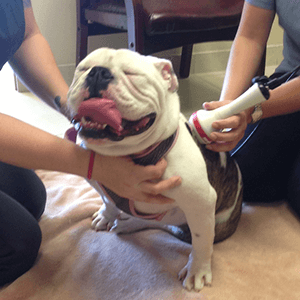
- Laser Therapy: A non-invasive treatment that uses light to stimulate cell regeneration, increases blood flow to the treated area, and reduce pain and inflammation.
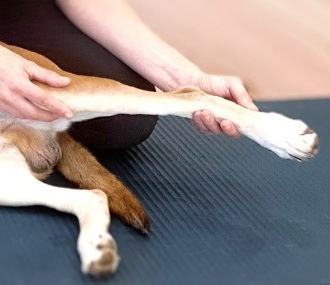
- Animal Rehabilitation Therapy: Targeted stretching therapy, specialized rehab exercises, and unique therapeutic treatments can rebuild supporting muscle mass. Therapeutic treatments include: Tens (low intensity electrical stimulation), heat therapy, PEMF (magnetic stimulation), cold therapy and more.
- Modern Medications: New classes of drugs, such as Monoclonal Antibody (mAb) injections, such as Librela (for dogs) and Solencia (for cats), target the specific nerve growth factors involved in arthritis pain with fewer side effects than traditional NSAIDs (non-steroidal anti-inflammatory drugs). Adequan injections also helpful with preventing further degradation of the joint cartilage and increases lubrication.
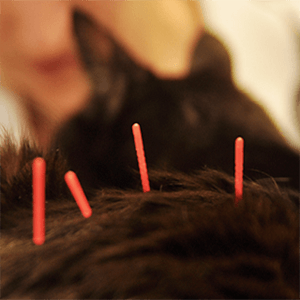
- Chinese Medicine: Use of Acupuncture and/or use of Chinese Herbs for joint and muscle issues by our Veterinarian.
Conclusion
Joint care is a marathon, not a sprint. By maintaining a lean body condition, providing high-quality joint support early in life, and adapting the home environment as they age, you can ensure your pet remains your active companion for as long as possible. The goal isn't just to add years to their life, but to add "life to their years" through pain-free mobility. Call Parkland Veterinary Hospital at 954-757-1729.